The Master Dough: Ingredients and Ratios
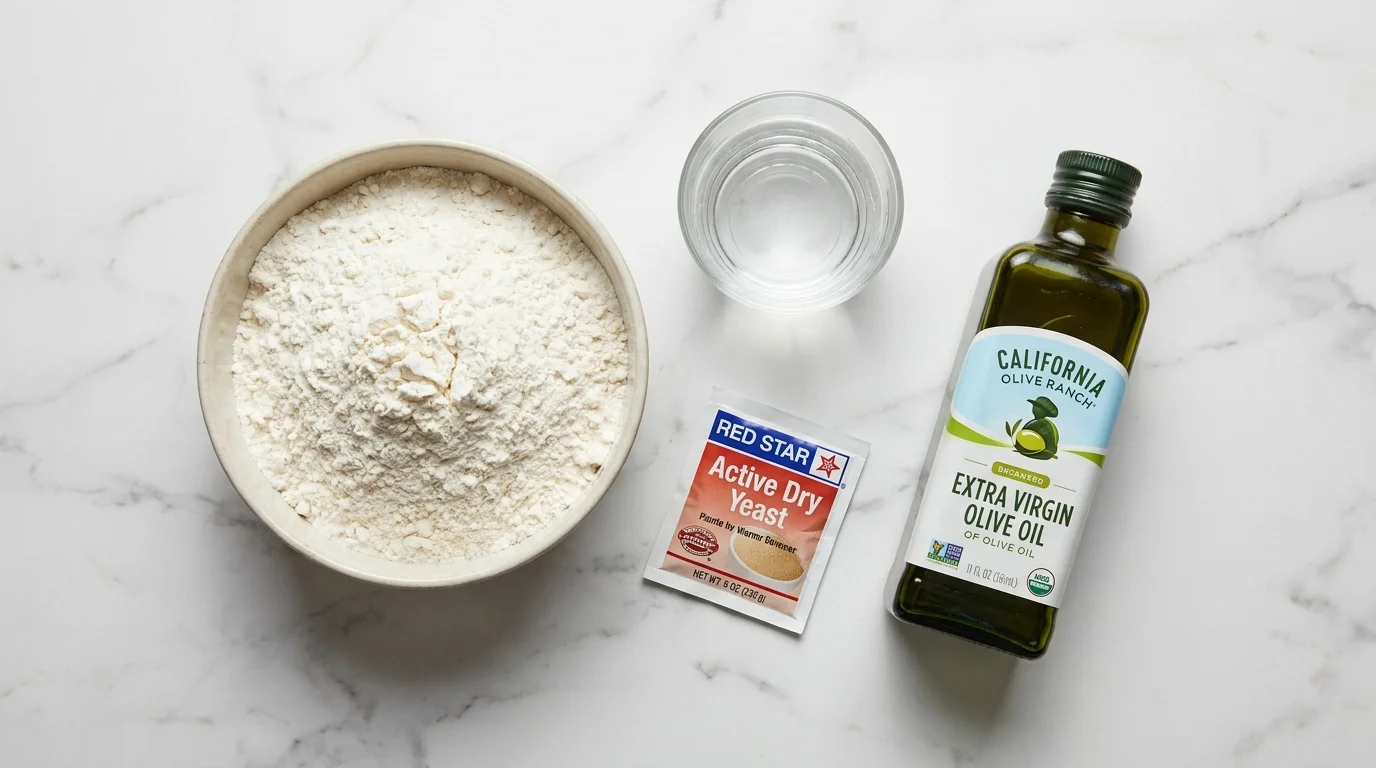
To make a homemade pizza dough that handles both a thin-crust pizza and a heavy stromboli, you need a specific balance of protein and moisture. Use 3.5 cups of bread flour, 1.5 cups of warm water (between 105-115°F), 2.25 tsp instant yeast, 1 tsp sugar, 2 tsp salt, and 2 tbsp olive oil.
The choice of bread flour is non-negotiable here. While all-purpose flour works for a soft focaccia, bread flour contains more protein, which creates a stronger gluten network. This structure is what prevents a stromboli from collapsing under the weight of dense deli meats and melted cheeses.
Kneading and Proofing for the Perfect Rise
Combine your warm water, sugar, and yeast first, letting it sit for a few minutes until it foams. Stir in the olive oil and salt, then gradually add the bread flour. Mix until a shaggy ball forms and move it to a floured surface for kneading.
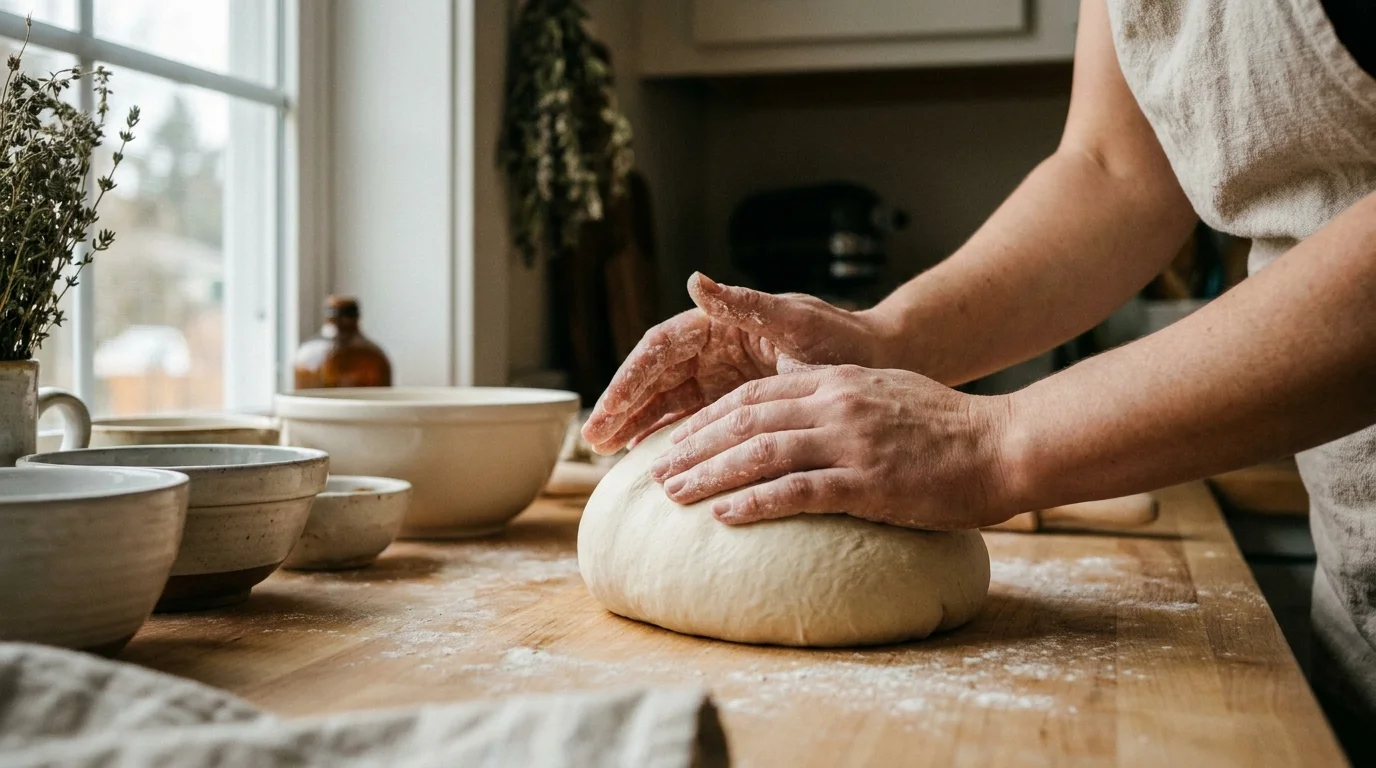
Knead the dough by pushing it away from you with the heels of your hands, folding it back, and rotating. Do this for about 8 to 10 minutes. To know when you are finished, use the windowpane test: tear off a small piece of dough and gently stretch it between your fingers. If it stretches thin enough to see light through it without tearing, the gluten is developed.
You have two paths for the first rise. For a quick meal, place the dough in a greased bowl, cover it with a damp cloth, and let it sit at room temperature for 60-90 minutes. It should roughly double in size.
If you have the patience, the cold-ferment is the professional choice. Place the dough in an airtight container and put it in the fridge for 24 hours. This slow fermentation breaks down the starches into simpler sugars, resulting in a deeper, more complex flavor and a better char in the oven.
From Dough to Pizza: Shaping and Baking
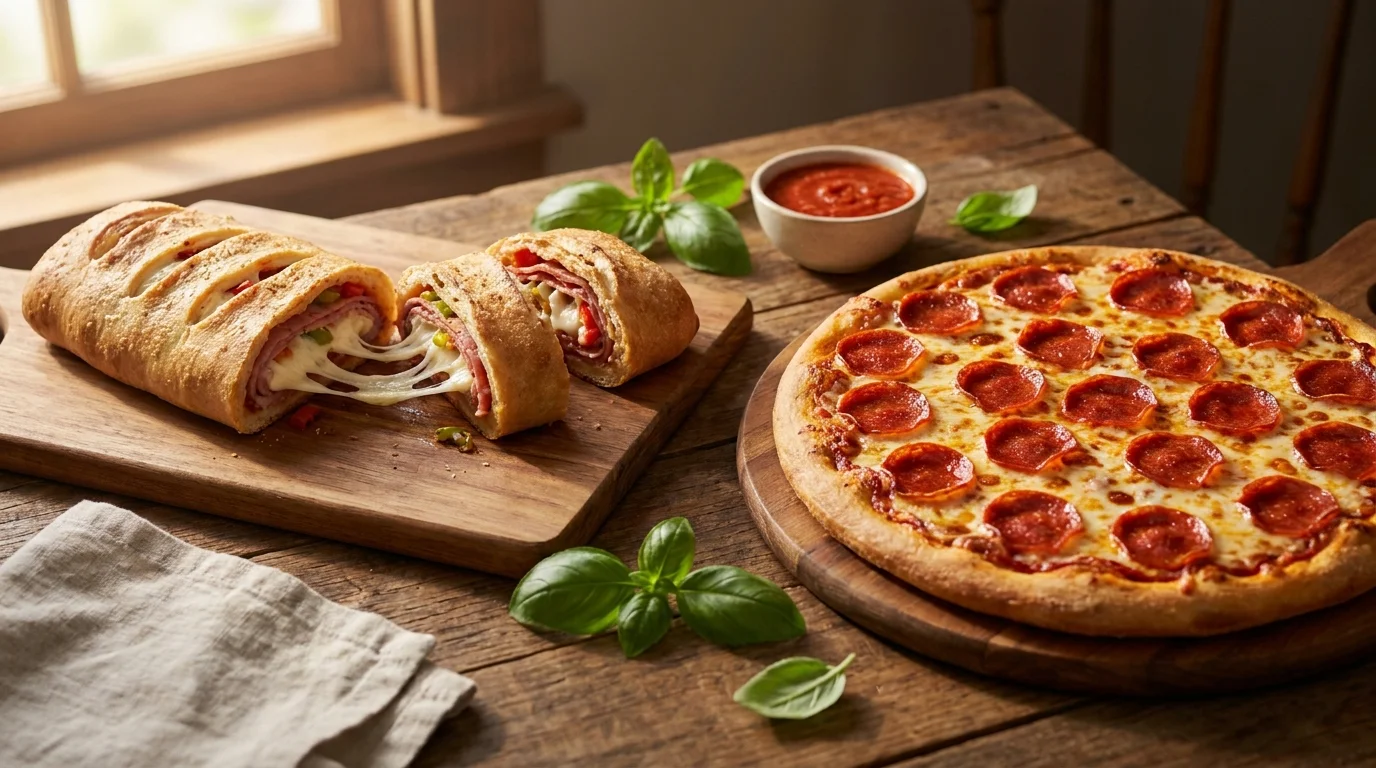
When you are ready to make pizza, avoid the rolling pin. Rolling flattens the air bubbles that the yeast worked hard to create, leaving you with a dense, cracker-like crust. Instead, use your fingertips to press the dough from the center outward, gently stretching it into a circle.
Preheat your oven to 475-500°F (245-260°C). High heat is the only way to get that professional "oven spring" where the crust puffs up rapidly. If you don't own a pizza stone, flip a standard baking sheet upside down and preheat it with the oven.
Slide your topped pizza onto the hot surface. This immediate contact with high heat sears the bottom of the crust, ensuring it is crisp rather than soggy by the time the cheese is melted.
The Stromboli Twist: Rolling and Filling
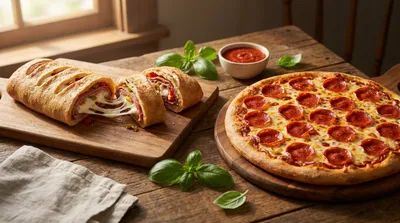
For a stromboli, you will actually use the rolling pin. Roll the dough into a large rectangle, roughly 12 by 18 inches. You want it thin but sturdy enough to hold the fillings without tearing.
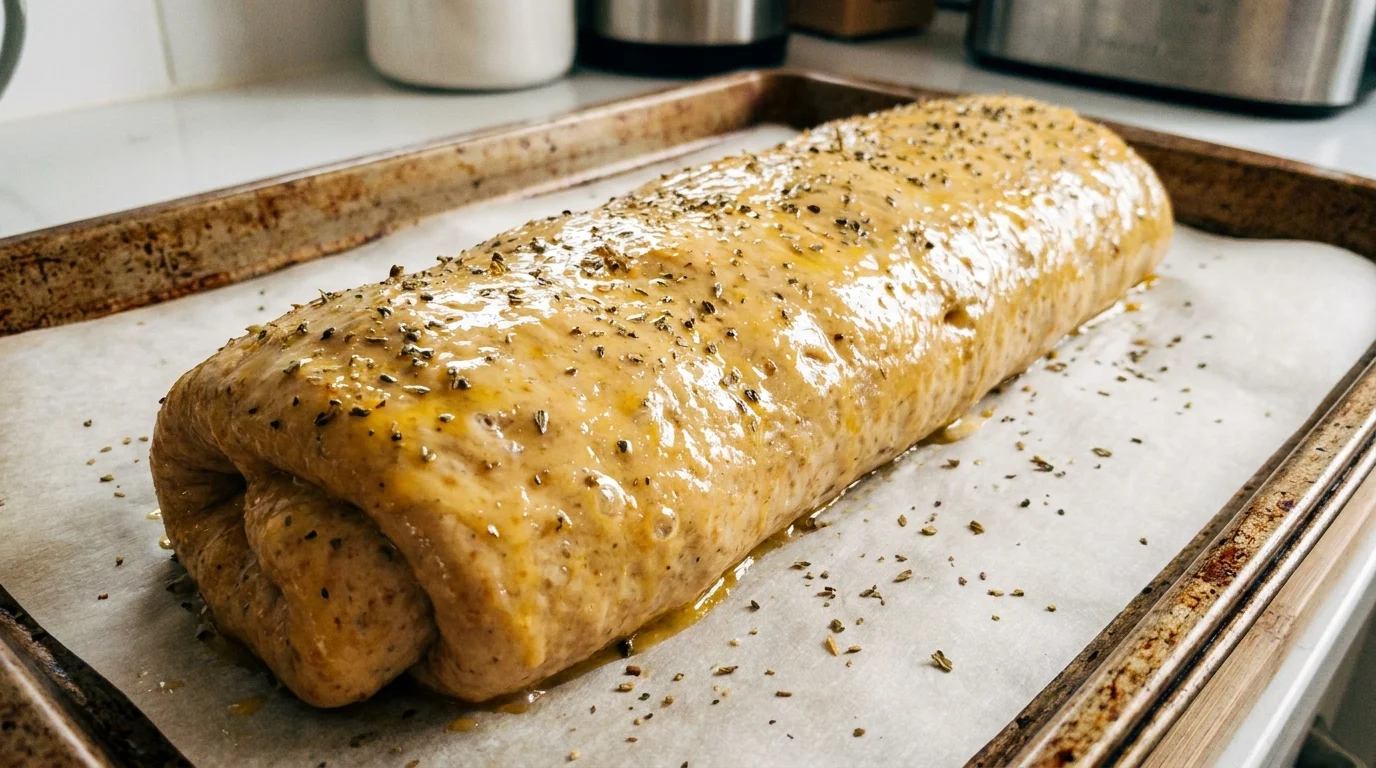
Layer your meats and cheeses across the surface, leaving a one-inch border around the edges. Roll the dough tightly into a log, starting from the long side. Once rolled, pinch the seams and the ends firmly. This seal is critical; if you leave a gap, the cheese will leak out and burn on your baking sheet.
For a polished finish, brush the top of the log with melted garlic butter. This adds flavor and helps the crust achieve a deep, golden-brown color.
Best Deli Fillings for Your Stromboli
The key to a great stromboli is using high-quality deli meats. Avoid using pre-shredded cheese if possible, as the cellulose coating on bagged cheese prevents it from melting smoothly.
| Profile | Ingredients |
|---|---|
| The Classic | Pepperoni, Genoa Salami, Mozzarella, Provolone |
| The Italian Stallion | Ham, Capicola, Ricotta, Spinach |
| The Spicy | Salami, Pepper Jack, Jalapeños |
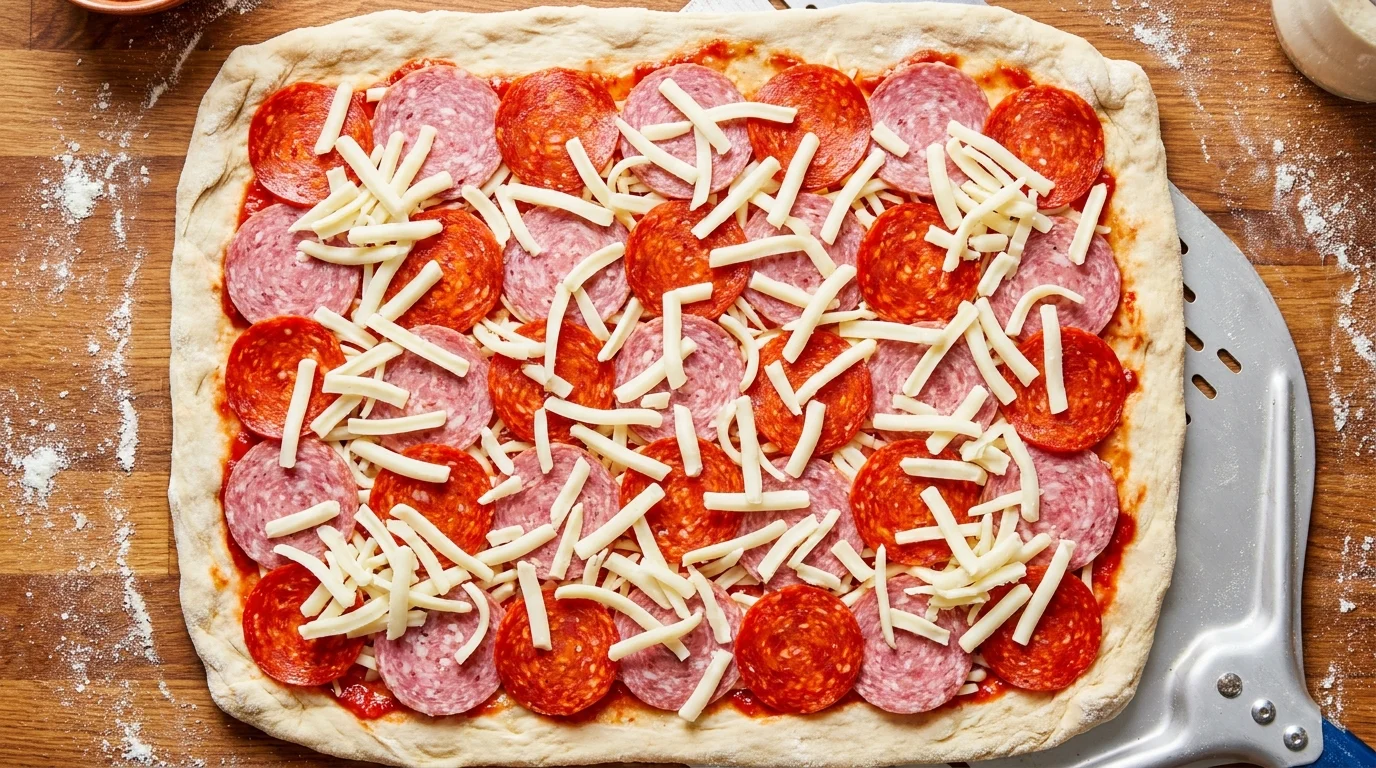
One common mistake is adding too much "wet" filling. Always pat your sliced meats dry with a paper towel and drain any excess moisture from your vegetables. If the filling is too wet, the steam will trap inside the dough, resulting in a soggy, gummy interior.
Common Pitfalls: Why Your Crust Isn't Browning
If your dough doesn't rise, you likely have "dead yeast." This happens if your water was too hot (killing the yeast) or if the yeast was expired. Always check for bubbles in the water/yeast mixture before adding flour.
A dense, heavy crust usually points to under-proofing. If you rush the rise, the dough won't have the internal structure to expand in the oven. Give the dough the time it needs to double in size.
Finally, the most frequent error is failing to preheat. Your oven must be fully up to temperature for at least 30 minutes before the dough hits the tray. Without that accumulated heat, you will get a pale, soft crust that lacks the characteristic crunch of a pizzeria pie.
Storage and Freezing for Future Pizza Nights
This recipe makes more dough than most people need for one meal. You can freeze the extra dough balls for up to 3 months. Lightly oil a heavy-duty freezer bag, place the dough ball inside, and squeeze out as much air as possible to prevent freezer burn.
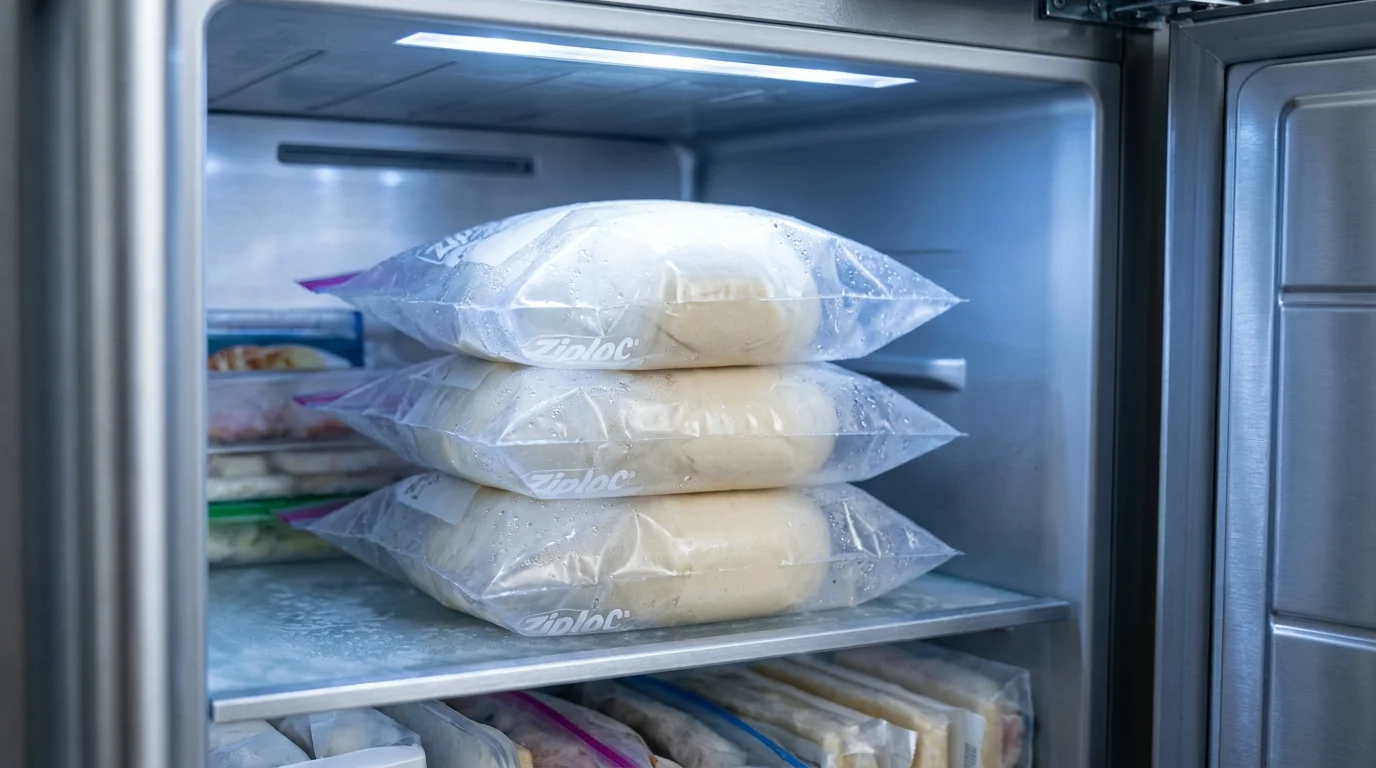
To use frozen dough, move it to the refrigerator 24 hours before you plan to bake. This slow thaw prevents the dough from becoming too sticky. If you are in a rush, you can thaw a dough ball at room temperature for about 4 hours, but be careful not to let it over-proof during the warming process.
Tags
Get Delicious Recipes Weekly
Join 25,000+ home cooks getting our best recipes straight to their inbox.
Free forever • No spam • Unsubscribe anytime