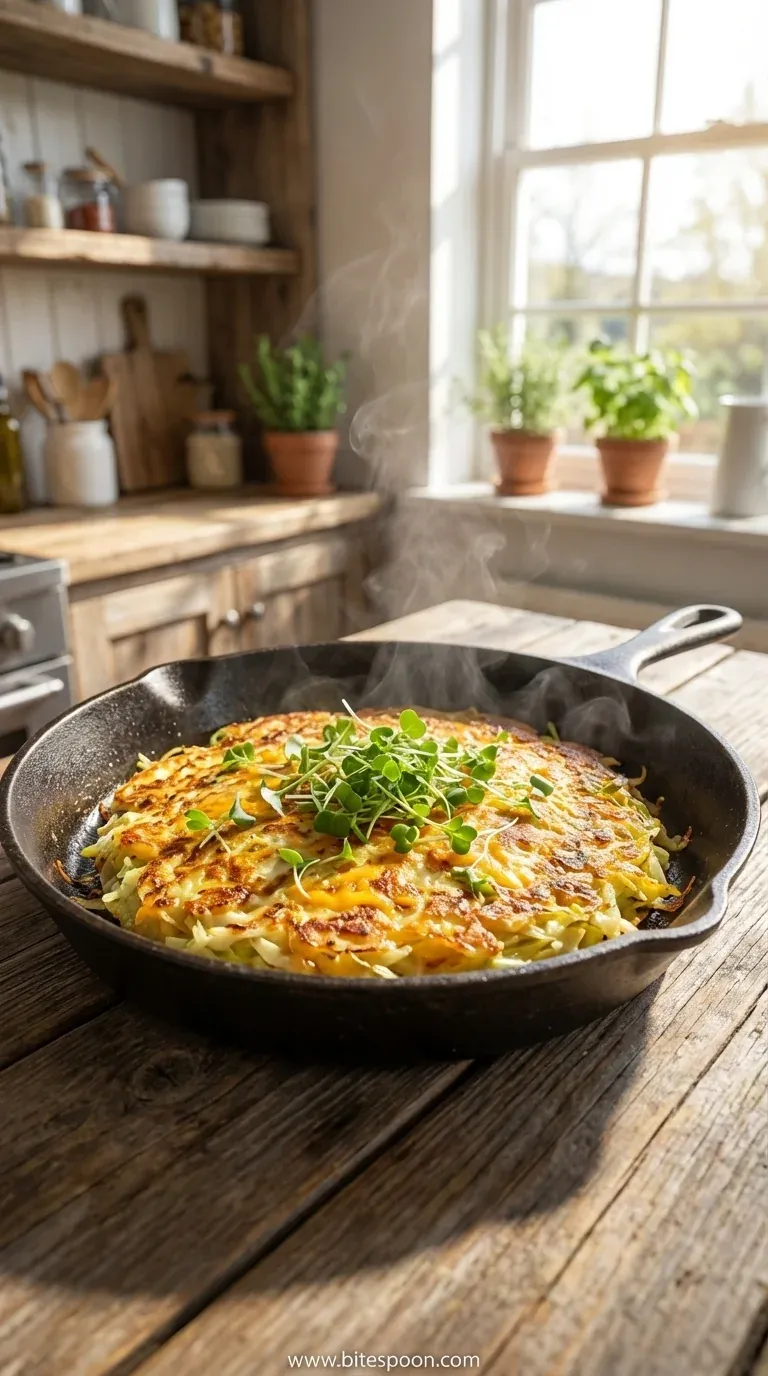
You know those lazy Saturday mornings when you wake up craving something comforting but don't want to spend hours in the kitchen? These cabbage pancakes have been my go-to solution for years. There's something so humble yet magical about transforming simple cabbage into these golden, crispy-edged wonders.
I remember first making these when my daughter was little and refusing to eat vegetables. The way the cabbage caramelizes and sweetens in the pan just changes everything. Now she's grown and still texts me asking for 'those crunchy cabbage cakes' when she comes to visit.
The Joy of Simple Breakfasts
There's something so grounding about starting your day with food that feels both nourishing and uncomplicated. These cabbage pancakes embody that philosophy perfectly - they're substantial enough to fuel your morning but light enough that you don't feel weighed down.
I've found that on mornings when I make these, my whole day seems to flow better. Maybe it's the satisfaction of creating something delicious from scratch, or maybe it's the comfort of eating food that feels both familiar and special.
The beauty of this recipe is how it adapts to whatever you have on hand. Sometimes I'll add some shredded zucchini noodles if I have extra from making pasta, or I might stir in some fresh herbs from the garden. It's these small variations that keep the recipe feeling fresh year after year.
You Must Know
- The cabbage needs to be thinly sliced, not chopped, for the best texture
- Don't skip the resting time - it allows the flour to hydrate properly
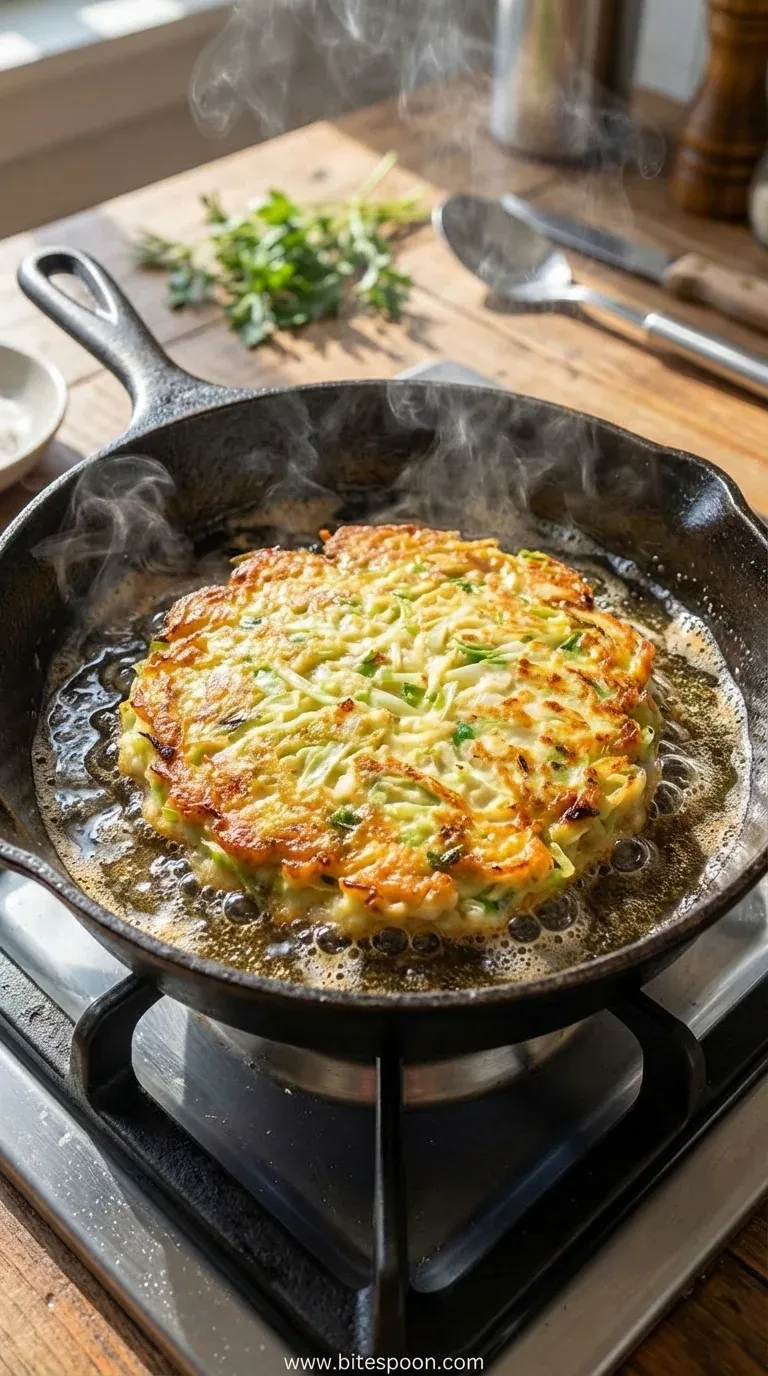
- A well-seasoned cast iron skillet gives the best crispy results
Keeping these three points in mind will ensure your cabbage pancakes turn out perfectly every single time.
The story behind it
I learned about cabbage pancakes from my grandmother, who grew up during hard times when you made the most of what you had. She'd tell me stories about how her mother would make these with whatever vegetables were left in the garden, but cabbage was always the star because it kept so well through the winter.
She'd stand at her old cast iron skillet, the one that's now mine, and I remember watching the way she'd gently press the cabbage mixture into the pan. The sound was like autumn leaves crunching underfoot, and the smell would fill their tiny kitchen with this warm, savory aroma that promised comfort.
Now when I make these, I think about all the hands that have touched that same skillet. There's a continuity there that feels important, especially on mornings when everything else feels rushed. These pancakes ground me, reminding me that good food doesn't need to be complicated.
Sometimes I'll add a little extra onion or some shredded carrot if I have it, but honestly, the simple version is my favorite. It's the perfect way to use up that half-head of cabbage that's been sitting in your fridge, waiting for its moment to shine.
Why You'll Love It
- They come together so quickly - Honestly, on busy mornings when I'm barely awake, I love that I can have these on the table in under 20 minutes. The preparation is minimal - just some chopping and mixing - and the cooking time is fast enough that you don't have to wait around feeling hungry. I often make them while my coffee brews, and they're ready just as I'm finishing my first cup.
The texture is amazing - There's this perfect contrast between the crispy, lacy edges and the soft, tender middle that's just so satisfying. When you bite into them, you get this wonderful combination of crunch and melt-in-your-mouth goodness that makes breakfast feel special. The cabbage softens beautifully but still has a bit of structure, creating layers of texture in every bite.
They're incredibly versatile - I love how you can serve these pancakes different ways depending on your mood. Sometimes I'll top them with a fried egg for extra protein, other times with a dollop of yogurt or some fresh herbs. They're equally delicious as a side dish with dinner or packed cold for lunch the next day. This versatility means I never get tired of making them.
They make vegetables feel like a treat - It's amazing how something as simple as shredded cabbage can transform into such a delightful dish. These pancakes have converted so many vegetable skeptics in my life, including my own husband who used to push cabbage to the side of his plate. Now he asks for them specifically!
Tips for success
- Slice cabbage uniformly - Consistent thickness ensures even cooking and perfect texture throughout every pancake
- Don't overcrowd the pan - Give each pancake space to develop those crispy edges we all love
- Be patient with flipping - Wait until you see golden edges before attempting to flip for intact pancakes
Professional secrets
- Let batter rest - Those few minutes allow flour to hydrate fully for better texture
- Use the right heat - Medium heat caramelizes without burning for perfect browning
- Wire rack placement - Elevating cooked pancakes preserves crispness beautifully
Common mistakes to avoid
- Slicing cabbage too thick - results in uneven cooking and raw-tasting centers
- Overmixing batter - makes pancakes tough instead of light and tender
- Flipping too early - causes pancakes to break and lose their shape
- Crowding the pan - prevents proper browning and crispy edges
- Skipping the rest time - affects texture and overall pancake structure
Substitutions
- All-purpose flour: Gluten-free flour blend or chickpea flour. Adjust liquid as needed since absorption rates vary between flours
- Milk: Any plant-based milk or water. The milk adds richness but isn't essential for the structure
- Parsley: Any fresh herbs you have available. Dill, chives, or even basil work beautifully here
Variations
- Cheesy Cabbage Pancakes: Add 1/2 cup grated cheddar or Parmesan to the batter for extra richness and flavor
- Herb Garden Version: Mix in 2 tablespoons each of fresh chives, dill, and parsley for brighter flavor
- Spicy Twist: Add 1 teaspoon of red pepper flakes or a diced jalapeño for some heat
Storage
These pancakes are best eaten immediately, but if you have leftovers, they'll keep in an airtight container in the refrigerator for up to 3 days. The texture will soften, but they reheat surprisingly well in a toaster oven or dry skillet.
When reheating, I like to give them a few minutes on each side over medium heat until they're warm and crispy again. You can also reheat them in a regular oven at 350°F for about 10 minutes if you're doing a larger batch.
I wouldn't recommend freezing them as the texture changes quite a bit when thawed. The cabbage tends to become watery upon thawing, which affects the overall consistency. They're so quick to make fresh that it's better to whip up a new batch when the craving strikes.
Make ahead
You can prepare the batter up to 24 hours in advance and store it covered in the refrigerator. The resting time actually improves the texture as the flour hydrates fully. Just give it a good stir before cooking as the flour tends to settle.
The cabbage can be sliced a day ahead and stored in an airtight container in the refrigerator. Some recipes even suggest salting the cabbage briefly to draw out excess moisture, but I find it's not necessary for this quick-cooking version.
If you're meal prepping, I'd recommend cooking them fresh each time for the best texture. The batter holds up well, but nothing beats pancakes straight from the skillet.
Leftovers
Leftover pancakes can be stored in an airtight container in the refrigerator for up to 3 days. They make excellent next-day snacks - I often eat them cold straight from the fridge, or reheated until crispy.
For reheating, I prefer a dry skillet over medium heat for 2-3 minutes per side. You can also use a toaster oven, which does a great job of restoring the crispness. They're not quite as perfect as fresh, but still very enjoyable.
Chopped leftover pancakes make a great addition to salads or can be used as a topping for lemon pasta for extra texture and flavor. Get creative with how you use them!
Serving ideas
- Topped with a fried egg for complete breakfast protein
- With a dollop of Greek yogurt and fresh herbs for light lunch
- Alongside roasted vegetables for satisfying vegetarian dinner
- As appetizers with various dipping sauces for parties
- With a simple green salad for balanced meal anytime
Allergy information
This recipe contains eggs, wheat (gluten), and dairy (milk). If you need to make substitutions, you can use gluten-free flour blend for the wheat, plant-based milk for the dairy, and a flax egg or commercial egg replacer for the eggs.
Always check your specific ingredients for potential allergens, as processing facilities vary. If serving to guests with severe allergies, it's best to prepare the recipe with dedicated equipment and ingredients you've verified are safe.
The cabbage itself is rarely an allergen concern, but some people with digestive sensitivities might want to adjust the quantity based on their tolerance levels. As with any recipe, listen to your body and adjust accordingly.
Cabbage Pancakes Breakfast: Quick Morning Recipe
Quick cabbage pancakes perfect for busy mornings. Crispy, savory, and ready in minutes.
- Prep time
- 10 min
- Cook time
- 15 min
- Total time
- 25 min
- Difficulty
- Easy
- Cuisine
- American
- Course
- Breakfast
Ingredients
Pancake Batter
For Cooking
Instructions
- 1
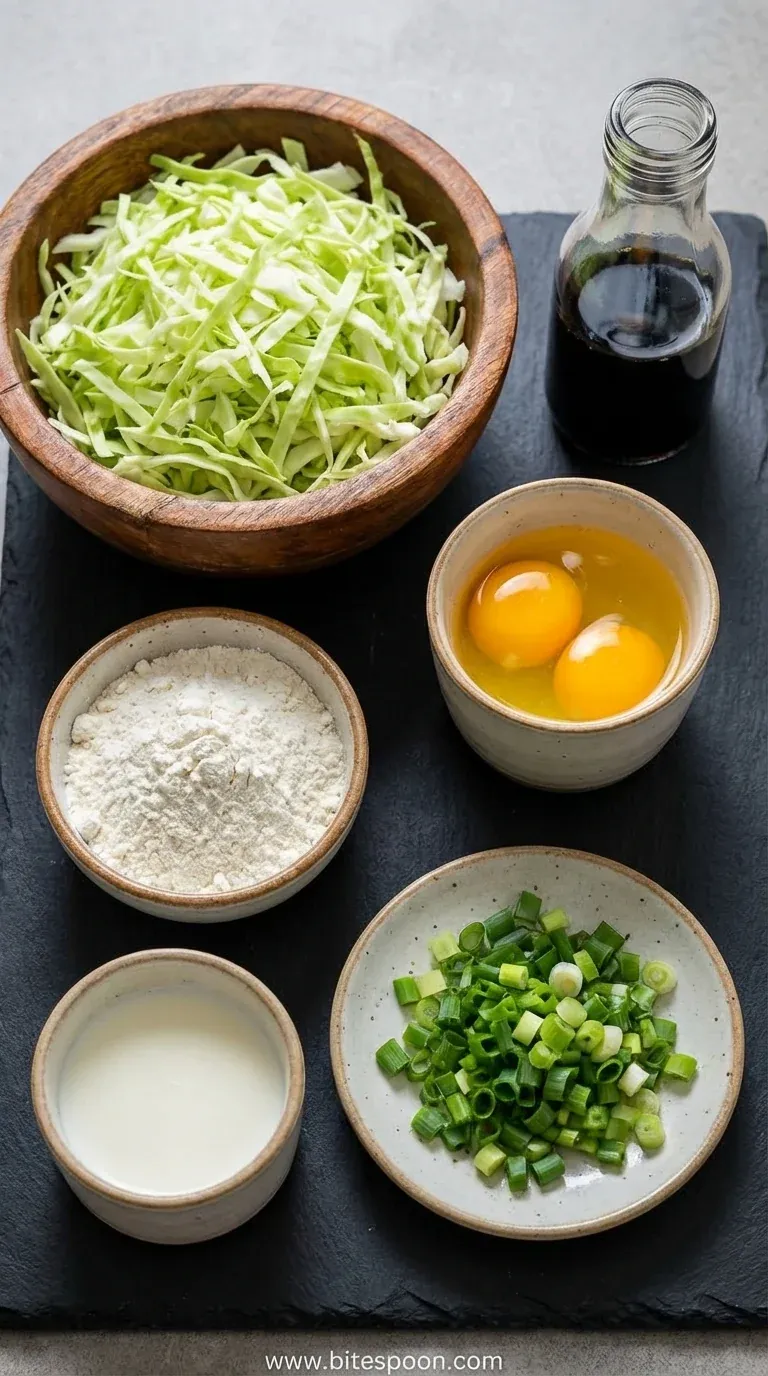
Start by preparing your cabbage - remove any tough outer leaves and slice it as thinly as you can. I like to cut the cabbage into wedges first, then slice across the wedges to get nice even shreds. The sound of the knife going through crisp cabbage is one of those satisfying kitchen sounds that never gets old. Place the sliced cabbage in a medium mixing bowl, and take a moment to appreciate those beautiful green and white layers. In a separate small bowl, whisk together the flour, salt, and pepper. I always sift my flour first to avoid any lumps, but honestly, a good whisking usually does the trick. There's something comforting about these simple preparations - measuring, mixing, creating order from basic ingredients. In another bowl, beat the eggs with the milk until they're well combined and frothy. I use a fork for this rather than a whisk - it feels more intimate, like I'm really connecting with the ingredients. The yellow of the eggs against the white of the milk is such a cheerful sight first thing in the morning.
- 2
Now pour the egg mixture over the cabbage and sprinkle the flour mixture on top. Using clean hands, gently mix everything together until the cabbage is evenly coated. I love this part - feeling the cool cabbage strands against my fingers, watching the pale batter cling to every shred. The mixture will look quite loose at first, but as you mix, you'll feel it coming together. Don't overmix though - you want everything combined but still light and airy. I usually mix for about a minute, then let it rest while I heat my skillet. This resting time is important - it allows the flour to hydrate and the cabbage to release just enough moisture to create the perfect batter consistency. I use this time to wipe down my counter and get my cooking station ready - oil bottle nearby, spatula at hand, plate standing by.
- 3
Heat a large skillet over medium heat and add about a tablespoon of oil. I watch for that telltale shimmer that means the oil is hot enough. Using a 1/4 cup measure, scoop portions of the cabbage mixture into the pan, spacing them well apart. Gently press each portion into a pancake shape about 1/2 inch thick. The sizzle when they hit the pan is so promising - that immediate reaction tells you something delicious is happening. I usually cook 3-4 pancakes at a time, depending on the size of my skillet. Let them cook undisturbed for 3-4 minutes until the edges look crispy and golden. I sometimes peek underneath with my spatula, waiting for that perfect brown color. The kitchen fills with the most wonderful aroma - nutty, savory, comforting.
- 4
Carefully flip each pancake using a spatula - I sometimes use two spatulas for support if I'm feeling uncertain. The second side usually cooks faster, about 2-3 minutes, until golden brown. I love watching the transformation from pale batter to golden perfection. Transfer the cooked pancakes to a wire rack rather than a plate - this keeps them crispy instead of steaming themselves soft. If I'm making multiple batches, I'll keep the finished ones warm in a low oven while I cook the rest. Just before serving, I like to sprinkle them with a little extra sea salt flakes. The contrast of the crunchy salt against the crispy pancake edges is just heavenly. They're best served immediately while still hot and crisp.
Nutrition per serving
- 145 kcal
- Calories
- 5 g
- Protein
- 16 g
- Carbs
- 7 g
- Fat
Tips & notes
- The thickness of your cabbage slices really affects the final texture - too thick and they won't cook through properly, too thin and they might become mushy. I've found that 1/4 inch is the sweet spot that gives you both tenderness and structure. If your batter seems too wet, add a tablespoon more flour. If it seems too dry, add a splash more milk. The consistency should be like a thick, chunky batter that holds its shape when scooped. These pancakes are very forgiving - don't worry if your first batch isn't perfect. It might take one try to get the heat and timing just right for your particular stove and skillet. - Leftover pancakes reheat surprisingly well in a toaster oven or dry skillet. Just a few minutes on each side brings back that wonderful crispness. They make excellent next-day snacks! You can easily double this recipe if cooking for a crowd. Just work in batches and keep the finished pancakes warm in a low oven. They're perfect for brunch gatherings. Feel free to experiment with different herbs or spices. Sometimes I'll add a pinch of smoked paprika or some fresh dill for variation. The basic recipe is very adaptable. - If you have picky eaters who might be skeptical of cabbage, try adding a little grated cheese to the batter. The melty cheese helps bridge the gap and makes them more appealing to vegetable-hesitant folks. The quality of your skillet makes a big difference here. A well-seasoned cast iron or non-stick skillet will give you the best browning and easiest flipping experience. Don't skip the resting time after mixing the batter - those few minutes allow the flour to hydrate properly and really make a difference in the final texture.
Frequently asked questions
Can I make these pancakes ahead of time?
You can definitely prepare the batter ahead of time, but I find they're best cooked fresh. The batter will keep in the refrigerator for up to 24 hours, though you might need to stir it well before using as the flour tends to settle. If you do have leftovers, they reheat surprisingly well in a toaster oven or skillet - just a few minutes on each side brings back that wonderful crispness. I wouldn't recommend freezing them though, as the texture changes quite a bit when thawed.
What's the best way to slice the cabbage?
I prefer using a sharp chef's knife rather than a food processor because you get more control over the thickness. Aim for shreds about 1/4 inch wide - thin enough to cook through quickly but thick enough to retain some texture. If you do use a food processor, use the slicing disk rather than the shredding disk for better results. The key is consistent thickness so everything cooks evenly and you get that perfect balance of crispy and tender.
Can I add other vegetables to these pancakes?
Absolutely! These pancakes are wonderfully adaptable. I often add some grated carrot for color and sweetness, or some finely chopped onion for extra flavor. If you're feeling adventurous, you could even try adding some shredded courgette like you might use in pasta dishes. Just remember that wetter vegetables might require a bit more flour to absorb the extra moisture. The basic recipe is very forgiving though, so don't be afraid to experiment!
What should I serve with cabbage pancakes?
They're delicious on their own, but I love them with a dollop of sour cream or Greek yogurt. A fried egg on top makes them more substantial for breakfast, while a simple side salad turns them into a lovely light lunch. If you're serving them for dinner, they pair beautifully with roasted vegetables or a simple protein. They're also fantastic with various dipping sauces - my family loves them with a quick soy-ginger dipping sauce.
How do I know when they're cooked through?
You'll see the edges turning golden brown and crisp, and the tops will look set rather than wet. I usually lift one edge with my spatula to check the color underneath - it should be evenly golden brown. The cabbage will have softened but still retain some texture. If you're unsure, you can always break one open to check - the inside should be cooked through but still moist. With practice, you'll develop a sense for the perfect timing.
Can I make these gluten-free?
Yes! I've successfully made them with gluten-free flour blends, though the texture might be slightly different. Look for a blend that's meant for general baking rather than one specifically for bread. You might need to adjust the liquid slightly as gluten-free flours absorb moisture differently. I've also seen recipes using chickpea flour for a protein boost, though I haven't tried that variation myself yet.
Why do my pancakes sometimes fall apart?
This usually happens if the batter is too wet or if you flip them too early. Make sure you're using the right flour-to-liquid ratio, and don't be afraid to add a bit more flour if the mixture seems too loose. Also, wait until you see those crispy edges forming before attempting to flip - patience is key here! Using a good non-stick or well-seasoned cast iron skillet also helps prevent sticking and breaking.
Are these similar to okonomiyaki?
They're inspired by that wonderful Japanese pancake, but much simpler and quicker to make. Traditional okonomiyaki has more ingredients and specific techniques, while these are more of a weeknight-friendly version. If you love the concept of savory pancakes, you might also enjoy experimenting with different vegetable combinations, perhaps even trying some zucchini creations for variation.

Alexa Carter
Fast food, but smarter 🔥🍽️ Bold flavors, simple steps, and meals that always hit the spot 😎