
The practice of glazing fish with sweeteners dates back to ancient coastal cultures, where honey was used to balance the briny taste of the sea. Over centuries, this technique migrated into modern kitchens, becoming a beloved shortcut for busy households. The simple combination of honey, citrus, and a touch of soy creates a glaze that caramelizes beautifully, giving the salmon a glossy finish and a flavor profile that straddles sweet and savory with elegance.
Why You'll Love It
-
- Minimal prep, maximum flavor
-
- Sweet glaze caramelizes without burning
-
- Healthy omega‑3s in every bite
-
- Elegant presentation with little effort
"The glaze was perfect—just the right amount of sweetness without overwhelming the salmon. My family asked for seconds!"
Essential Ingredient Guide
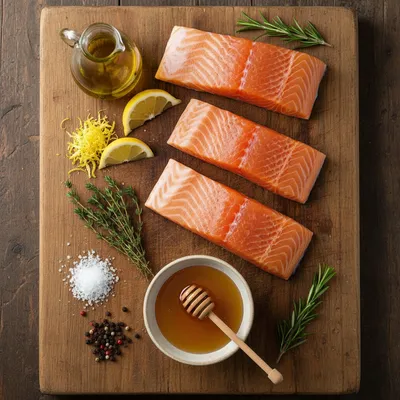
- Fresh salmon fillets: Choose wild‑caught if possible; look for firm flesh and a bright pink hue.
- Honey: A light drizzle adds natural sweetness and helps the glaze turn glossy.
- Soy sauce: Provides salty depth; use low‑sodium to keep the balance right.
- Lemon juice: Adds a fresh acidity that cuts through the richness.
- Garlic: Minced finely; it infuses the glaze with aromatic warmth.
- Olive oil: A small amount helps the salmon stay moist during baking.
Complete Cooking Process
-
Ingredient Readiness:
Pat the salmon dry, season lightly, and whisk the glaze components together until smooth.
-
Flavor Development:
Brush the glaze over the fillets and let them rest briefly, allowing the honey to mingle with the citrus.
-
Texture Control:
Bake at a moderate heat so the exterior caramelizes while the interior stays tender.
-
Finishing Touches:
A quick squeeze of fresh lemon and a sprinkle of herbs add brightness right before serving.
-
Serving Timing:
Serve the salmon hot, straight from the oven, while the glaze is still glossy.
-
Use room‑temperature salmon for even cooking
-
Place the fish on a parchment‑lined sheet for easy cleanup
-
Broil for the last 2 minutes if you like extra caramelization
-
Let the salmon rest 3‑4 minutes before plating
Pro Tips
I find that a short rest lets the juices settle, giving each bite a silky texture. Also, when the glaze pools at the bottom of the pan, spoon a little over the fillet just before serving—it's those tiny gestures that make a home‑cooked meal feel special.
The essence of the dish:
A tender piece of salmon cloaked in a honey‑soy glaze, accented by lemon’s bright acidity and the subtle heat of garlic. The result is a dish that feels both comforting and slightly indulgent.
A fun fact or historical angle:
Ancient Greeks often glazed fish with honey and figs, believing the combination brought health and vitality—much like our modern glaze.
Flavor or sensory focus:
First, you’ll notice the gentle sweetness wafting from the honey, then a whisper of salty umami, and finally the citrus spark that lifts the whole profile.
You Must Know
-
Do not overcook; salmon should still be slightly translucent in the center
-
Honey can burn quickly—watch the last minutes closely
-
A pinch of sea salt enhances the glaze’s depth
Frequently Asked Questions
→ Can I use frozen salmon?
Yes, thaw it completely and pat dry before applying the glaze to avoid excess moisture.
→ What type of honey works best?
A light, floral honey lets the glaze stay bright; avoid overly robust varieties that may overpower the fish.
→ Do I need to baste during baking?
Not necessary, but a quick brush halfway through can reinforce the glaze if you like a deeper caramel.
→ Can I add herbs?
Fresh thyme or dill sprinkled after baking adds a fragrant finish without competing with the honey.
→ What side dishes pair well?
Steamed asparagus, quinoa, or a simple cucumber salad complement the sweet‑savory profile.
→ How long can leftovers be stored?
Refrigerate in an airtight container for up to 2 days; reheat gently to keep the salmon moist.
Nutrition Facts
per serving
320
Calories
30g
Protein
18g
Carbs
14g
Fat
Taste Profile
A harmonious sweet‑savory balance with a bright citrus finish
Ingredient Substitutions
Don't have an ingredient? Try these alternatives
Provides a similar sweetness but a milder flavor.
Lower sodium and a slightly sweeter profile.
Recipe Variations
Try these delicious twists on the original
Spicy Version
Add ½ tsp crushed red pepper flakes and a drizzle of sriracha to the glaze for heat.
Mediterranean Style
Mix in chopped sun‑dried tomatoes and olives, then finish with crumbled feta.
Common Mistakes to Avoid
Learn from others' mistakes for perfect results
- Leaving the salmon too long in the oven, resulting in dry flesh.
- Using too much honey, which can burn quickly.
- Skipping the pre‑heat, causing uneven cooking.
Meal Prep & Storage
Make Ahead Tips
You can whisk the glaze up to 12 hours ahead and keep it refrigerated; give it a quick stir before using.
Leftover Ideas
Reheat gently in a skillet over low heat, adding a splash of water to keep the fish moist.
Perfect Pairings
Serve this with...
Cooking Timeline
Preheat oven, line sheet, and whisk glaze ingredients.
Pat salmon dry, season, and brush with glaze.
Bake salmon, checking for flake‑ability and caramel color.
Optional broil for extra caramel, then rest briefly.
Plate, garnish, and serve while hot.
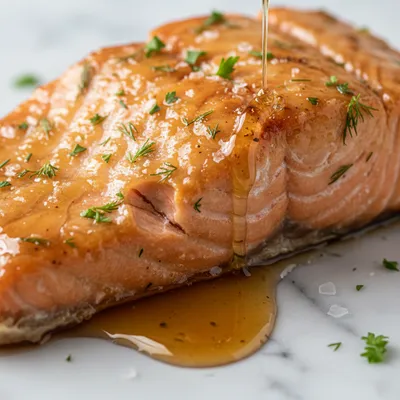
Honey Baked Salmon – Easy & Delicious
A quick, honey‑glazed salmon that bakes to juicy perfection—perfect for a busy weeknight or a relaxed weekend dinner.
Timing
Prep Time
10 Minutes
Cook Time
20 Minutes
Total Time
30 Minutes
Recipe Details
Ingredients
Main Ingredients
-
01
4 salmon fillets (about 6 oz each)
-
02
2 tbsp honey
-
03
2 tbsp low‑sodium soy sauce
-
04
1 tbsp fresh lemon juice
-
05
2 cloves garlic, minced
-
06
1 tsp olive oil
-
07
Salt and freshly ground black pepper to taste
Optional Garnish
-
01
Fresh chopped parsley
-
02
Lemon wedges
Instructions
Preheat the oven to 400°F (200°C). Line a baking sheet with parchment paper.
In a small bowl, whisk together honey, soy sauce, lemon juice, minced garlic, olive oil, salt, and pepper until smooth.
Place the salmon fillets skin‑side down on the prepared sheet. Brush each fillet generously with the honey glaze.
Bake for 12‑15 minutes, or until the salmon flakes easily with a fork and the glaze is lightly caramelized.
If you prefer a deeper caramel, switch the oven to broil for the final 2 minutes—watch closely.
Remove from oven, sprinkle with fresh parsley and serve with lemon wedges.
Notes & Tips
-
1
Avoid overcrowding the baking sheet; give each fillet space to caramelize evenly.
-
2
If the glaze thickens too much before baking, thin it with a splash of water.
-
3
For a spicier kick, stir a pinch of red pepper flakes into the glaze.
Tools You'll Need
-
Baking sheet
-
Parchment paper
-
Small mixing bowl
-
Whisk
-
Pastry brush
-
Tongs
Must-Know Tips
-
Don't overcook the salmon; it should stay moist and slightly pink in the center.
-
Let the glaze sit for a minute after whisking so the honey melds with the soy.
-
Taste the glaze before brushing—adjust salt or honey to your preference.
Professional Secrets
-
Room temperature salmon ensures even cooking.
-
High heat creates a caramelized exterior while preserving a tender interior.
-
Finish with a splash of fresh lemon juice to brighten the glaze.

Recipe by
Alexa CarterFast food, but smarter 🔥🍽️ Bold flavors, simple steps, and meals that always hit the spot 😎
Get Delicious Recipes Weekly
Join 25,000+ home cooks getting our best recipes straight to their inbox.
Free forever • No spam • Unsubscribe anytime