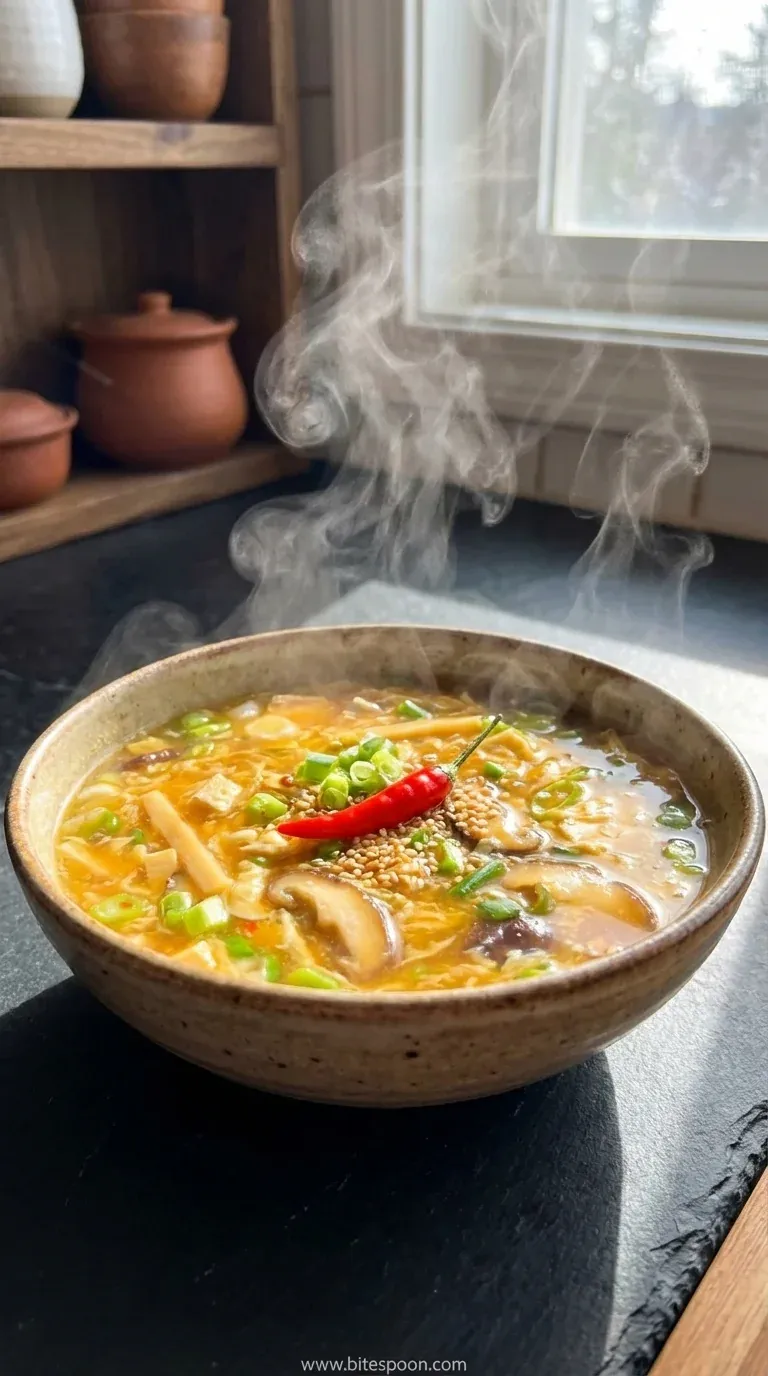
There are some evenings, usually when a soft rain is tapping against the window panes, that call for something deeply comforting. Not just warm, but alive with flavor, something that wakes up your senses and settles your soul. For me, that is always, always Hot and Sour Soup. It’s a study in contrasts—the sharp, bright tang of vinegar against the deep, earthy flavor of mushrooms, the gentle heat of white pepper that blooms at the back of your throat, all suspended in a silky, rich broth. It feels like a complex restaurant dish, but honestly, it’s one of the most straightforward and rewarding things you can make in your own kitchen.
Making it from scratch lets you control that beautiful balance. You become the artist, deciding if you want a little more heat today, or a bit more of that sour pucker. It’s a conversation with your ingredients. The process itself is a meditation—the patient rehydration of the mushrooms, the quiet slicing of tofu, the magical moment the broth thickens and turns glossy. It's more than just a recipe; it's a ritual that ends with the most restorative bowl of soup you can imagine.
The story behind it
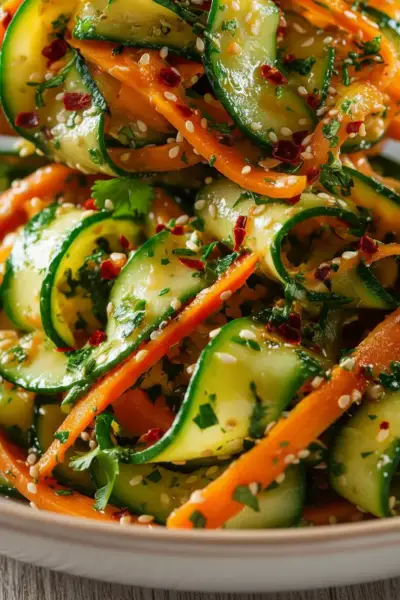
I remember the first time I had truly exceptional Hot and Sour Soup. It was years ago, tucked away in a tiny, unassuming restaurant in a part of the city I rarely visited. It was a chilly, damp autumn day, and I was just looking for a quick lunch. Wow, that first spoonful was a revelation. It wasn't just hot, and it wasn't just sour; it was a whole symphony of flavors I hadn't known could exist in one bowl. I think I sat there for an hour, just slowly savoring it, trying to decode its magic. I went home completely obsessed with recreating that feeling. After a week of making simple things like zucchini noodles, my mind was set on this new culinary puzzle.
It took so many tries. My first few attempts were… well, they were fine, but they lacked that soul, that perfect pitch of flavor. One was too much like soy sauce water, another was screamingly vinegary. But I kept tinkering, adjusting the ratios, learning the difference a good quality rice vinegar makes, and discovering the unique, creeping heat of white pepper. When I finally nailed it, the scent that filled my kitchen was the exact memory from that little restaurant. It was a moment of pure, quiet victory. Now, making this soup feels like coming home, a direct line to that cozy, rainy-day discovery.
Why You'll Adore This Soup
- A Symphony of Flavors: This isn't a one-note soup. It's a beautiful, intricate dance between spicy, sour, and savory (umami). The white pepper provides a warm, lingering heat, while the rice vinegar gives it that signature tangy brightness. Every single spoonful is an experience, layered and complex in the most wonderful way.
- Ultimate Comfort in a Bowl: Ugh, there is honestly nothing better on a cold day, or when you're feeling a little under the weather. The silky, thick broth coats your throat, and the warmth spreads through you instantly. It feels both invigorating and deeply soothing at the same time, a true culinary hug that nourishes from the inside out.
- Surprisingly Simple to Create: I know it sounds and tastes incredibly impressive, like something you could only get at a really good restaurant, but you'll be shocked at how simple it is to bring together. The steps are straightforward and the cooking time is quick. It's one of those amazing recipes that delivers a huge flavor payoff for very little fuss. It truly belongs in the category of quick & easy recipes.
- Completely Yours to Customize: This is your canvas. Do you love that tangy kick? Add another splash of vinegar at the end. Craving more heat? A little more white pepper or a swirl of chili oil will do the trick. You can add shredded chicken, shrimp, or keep it vegetarian. It’s a recipe that invites you to play and make it perfectly yours, much like how you can adapt a simple zucchini pasta to your liking.
Tips for success
- Use Cold Water for Slurry: Always, always mix your cornstarch with cold water. If you mix it with hot water, it will immediately seize up and form lumps that will never dissolve. A smooth slurry is key to a silky, not lumpy, soup.
- Gentle Simmer for Egg: Do not have the soup at a rolling boil when you add the egg. A gentle, steady simmer is what you want. This allows the egg to cook into delicate ribbons rather than instantly turning into a tough, scrambled mess.
- Taste at the End: The final balance of 'hot' and 'sour' is so personal. Always do your final tasting and adjustments right before you serve. The flavors will have fully melded, and you can add that last splash of vinegar or pinch of pepper to make it perfect for you.
Professional secrets
- A Touch of Sugar: A tiny pinch of sugar (like, 1/4 teaspoon) doesn't make the soup sweet, but it can work wonders in balancing the acidity of the vinegar and the saltiness of the soy sauce. It rounds out the flavors and makes them feel more cohesive.
- White Pepper is Non-Negotiable: For that authentic flavor, you must use ground white pepper. It has a distinct earthy heat that is completely different from black pepper. It provides the 'hot' in a way that warms the back of your throat, which is the signature of this classic soup.
- The Power of Mushroom Water: That dark, fragrant liquid from rehydrating your shiitakes is pure umami gold. Never, ever throw it out. It adds a depth of flavor to the broth that you simply cannot get from store-bought stock alone. It is the soul of the soup.
Common mistakes to avoid
- Using Black Pepper Instead of White: It's a common mix-up, but the flavor is completely different. Black pepper is sharp and pungent, while white pepper provides a unique, earthy heat that is essential for the authentic taste.
- Adding Cornstarch to Hot Liquid: Never mix cornstarch directly into the hot soup. It will create stubborn, gummy clumps. Always make a slurry by dissolving it in cold water first.
- Boiling the Soup After Thickening: Once the soup is thickened with cornstarch, keep it at a gentle simmer. A hard boil can cause the starch to break down, thinning the soup out again.
- Forgetting to Strain the Mushroom Water: The soaking liquid is flavor gold, but it can often have grit at the bottom of the bowl. Straining it ensures a smooth, pleasant broth.
Substitutions
- Firm Tofu: Extra-firm tofu. If you prefer a chewier, more substantial tofu, extra-firm is a great choice. It holds its shape even better. I would avoid using silken tofu here as it's too delicate and will disintegrate in the soup.
- Rice Vinegar: Apple Cider Vinegar. In a pinch, you could use apple cider vinegar. It will provide the necessary sourness, though the flavor will be slightly fruitier and less clean than rice vinegar. You might need to adjust the amount to get the balance just right.
Variations
- Version with Chicken: For a heartier soup, add about one cup of finely shredded, cooked chicken breast. Stir it in along with the mushrooms and tofu to let it warm through and absorb the flavors of the broth.
- Extra Vegetable Version: Feel free to add other vegetables. Thinly sliced carrots, wood ear mushrooms, or water chestnuts can add extra texture and flavor. Add them along with the bamboo shoots to ensure they cook properly.
Storage
Storing leftovers is wonderfully simple. Allow the soup to cool down to room temperature before transferring it to an airtight container. It will keep beautifully in the refrigerator for up to three days. You might notice that the soup thickens a bit more upon chilling; this is completely normal as the cornstarch settles. When you're ready to enjoy it again, simply reheat it gently in a saucepan over medium-low heat. There's no need to bring it to a boil. Just warm it through, stirring occasionally.
You may need to add a small splash of broth or water to thin it back to its original consistency. I find the flavors actually deepen and meld even more overnight, making the second-day soup a real treat. I wouldn't recommend freezing this soup, as the texture of the tofu and the egg ribbons can become a bit strange upon thawing. It's best enjoyed fresh or within a few days.
Make ahead
You can definitely do some prep work in advance to make assembly even quicker. The mushrooms can be rehydrated, sliced, and stored in an airtight container in the fridge for up to 2 days. The tofu and bamboo shoots can also be sliced and kept refrigerated. You can even mix the soy sauce, vinegar, and white pepper together. Then, when you're ready to cook, the process will take just a few minutes.
Leftovers
Leftover hot and sour soup is a true delight. Reheat it gently on the stove and consider freshening it up with a new garnish of green onions. It’s fantastic on its own, but you could also pour it over a bowl of rice for a more substantial meal. Another fun idea is to use it as a base and add leftover shredded chicken or some fresh greens like spinach, which will wilt right into the hot broth.
Serving ideas
- Serve in traditional Chinese soup bowls with ceramic spoons for an authentic feel.
- Garnish with a sprinkle of toasted sesame seeds for an extra nutty flavor and a bit of texture.
- Offer a side of crispy wonton strips for guests to crumble over the top for a delightful crunch.
- For a fuller meal, serve alongside a simple plate of stir-fried bok choy with garlic.
Allergy information
Please be aware that this recipe contains soy (from tofu and soy sauce) and eggs. It also contains sesame from the toasted sesame oil. If you have a gluten sensitivity or allergy, be sure to use a gluten-free tamari instead of traditional soy sauce. Always double-check the labels on your ingredients, such as your chicken or vegetable broth and bamboo shoots, to ensure they are free from any specific allergens you need to avoid.
While this recipe does not contain nuts, it is prepared in a home kitchen where nuts may be present. If you have severe allergies, please take the necessary precautions. The beauty of home cooking is your control over the ingredients, so feel free to adapt the recipe using substitutes that are safe for you and your family.
Hot and Sour Soup Recipe: Quick & Easy Asian Favorite
A comforting bowl of homemade hot and sour soup, perfectly balanced with warming spice and a tangy finish.
- Prep time
- 20 min
- Cook time
- 15 min
- Total time
- 35 min
- Difficulty
- Easy
- Cuisine
- Chinese
- Course
- Soup
Ingredients
For the Soup
For the Slurry & Garnish
Instructions
- 1
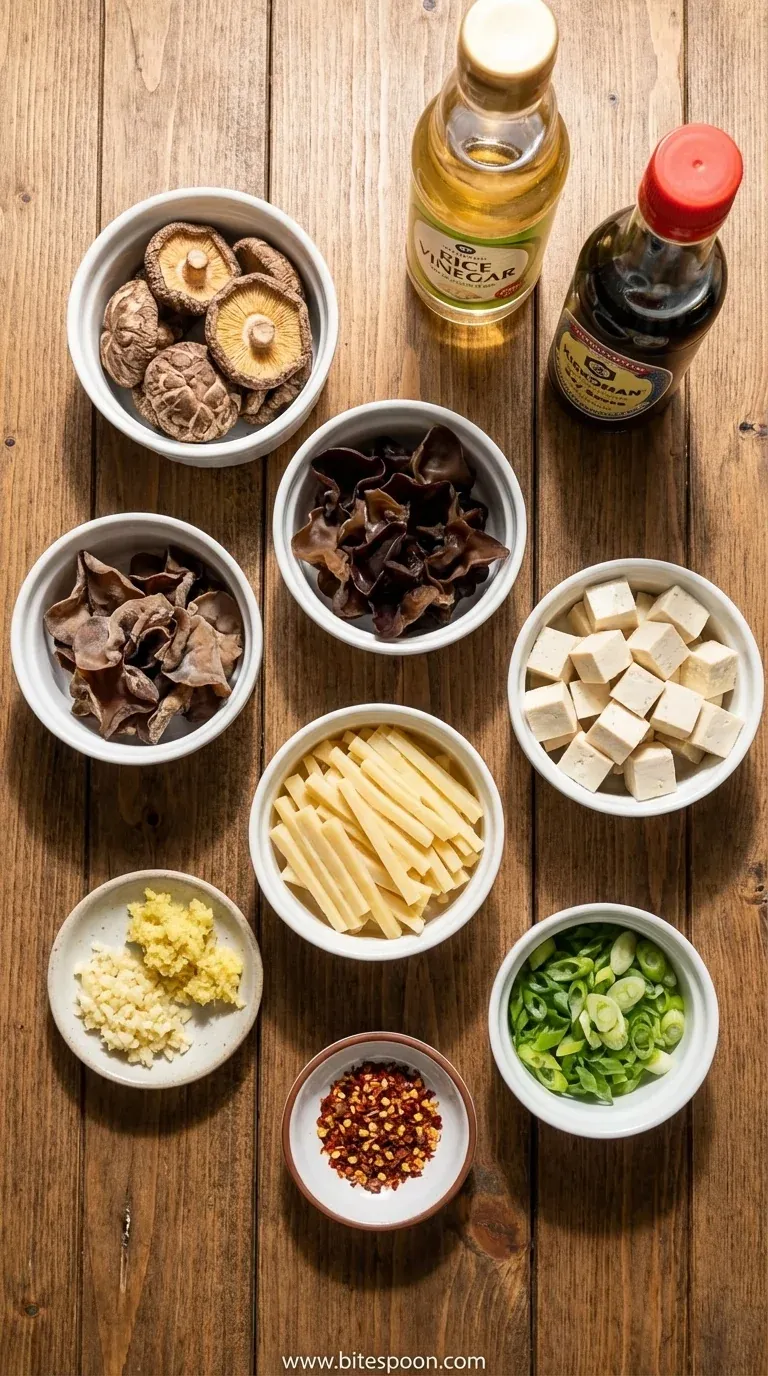
First, let's wake up our mushrooms. Place the dried shiitake mushrooms in a medium bowl and cover them with about 2 cups of hot water. Let them sit and steep for about 20 to 30 minutes, until they are plump and soft. You’ll notice the water has turned a beautiful, dark tea color. Once softened, gently lift the mushrooms out, squeezing any excess liquid back into the bowl. Don't discard that liquid! Strain it through a fine-mesh sieve into another bowl to remove any grit. Then, trim off and discard the tough stems from the mushrooms and thinly slice the caps.
- 2
Now it's time to build our flavor base. In a large pot or Dutch oven, combine your chicken or vegetable broth with that gorgeous, strained mushroom-soaking liquid. Bring this to a simmer over medium-high heat. Once it's gently bubbling, stir in the soy sauce, rice vinegar, and that crucial ground white pepper. Let this simmer for a few minutes to allow the flavors to marry and get to know each other. This is when your kitchen really starts to smell like a proper restaurant. It’s a good moment to give it a little taste and see how that hot and sour balance is starting to develop.
- 3
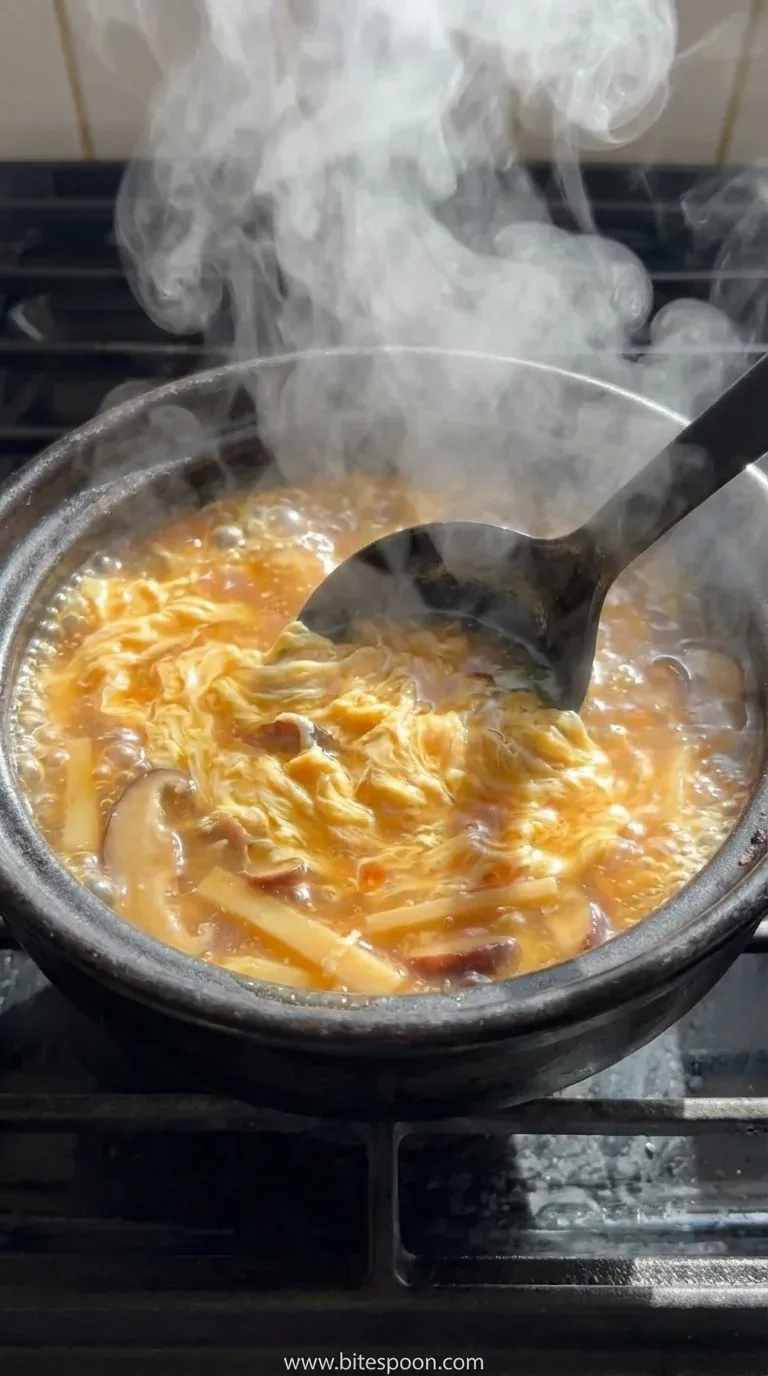
Add your prepared ingredients to the pot. Gently slide in the sliced mushroom caps, the julienned tofu, and the bamboo shoots. Let them simmer in the broth for about 5 minutes. While they're simmering, prepare your slurry. In a small bowl, whisk together the cornstarch and the cold water until it's completely smooth, with no lumps. Reduce the heat under the soup to medium, and while stirring the soup gently, slowly pour in the slurry. Continue to stir until you see the soup thicken and turn beautifully glossy. This should only take a minute or two. It’s like magic.
- 4
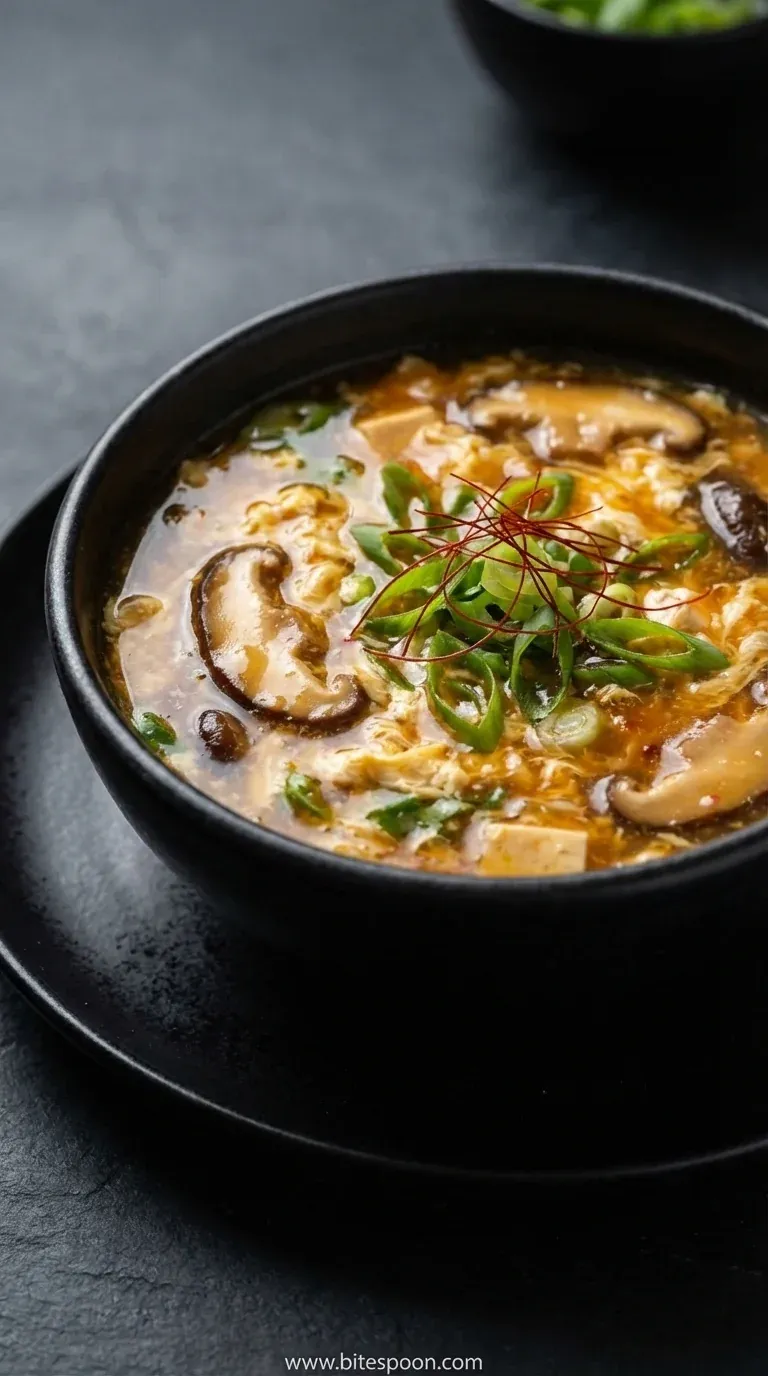
For the final, elegant touch, we'll create the egg ribbons. Make sure the soup is at a gentle simmer. Slowly drizzle the beaten eggs into the pot in a thin, steady stream while stirring the soup in a slow, circular motion. The egg will cook instantly, forming delicate, silky ribbons. Once all the egg is in, turn off the heat. Stir in the toasted sesame oil. Have a final taste and adjust if needed—maybe a pinch more salt, another tiny splash of vinegar, or a bit more white pepper. Ladle your beautiful soup into bowls and garnish generously with sliced green onions and a drizzle of chili oil if you like extra heat.
Nutrition per serving
- 185 kcal
- Calories
- 14 g
- Protein
- 15 g
- Carbs
- 7 g
- Fat
Tips & notes
- The type of vinegar you use will have a big impact on the final flavor. Standard rice vinegar is clean and sharp. Chinese black vinegar (Chinkiang) is more complex, malty, and less acidic. I personally love a 50/50 blend of both for a really nuanced 'sour' profile, but either one on its own is absolutely delicious. - For the best texture, press your tofu before slicing it. This removes excess water and helps it hold its shape in the soup, preventing it from becoming watery or falling apart. Just wrap the block of tofu in a few paper towels or a clean kitchen towel and place something heavy on top, like a cast-iron skillet, for about 15-20 minutes. - Remember that the heat from white pepper tends to 'bloom' or intensify as it sits in the hot liquid. So, be a little conservative when you first add it. You can always stir a little more in at the very end if you feel it needs an extra kick of that signature warmth. It’s always easier to add more than to take it away!
Frequently asked questions
Can I use fresh mushrooms instead of dried?
You absolutely can, but the flavor will be quite different. Dried shiitakes contribute a deep, smoky, umami flavor and create a rich mushroom broth that is hard to replicate. If using fresh, I'd suggest a mix of shiitake and cremini. Sauté them in a little oil before adding the broth to develop their flavor, but just know the soup's base will be lighter and less intensely mushroomy. Honestly, it's worth seeking out the dried ones for that authentic taste.
My soup isn't thick enough. What did I do wrong?
Oh, that's an easy fix! It likely just needs a little more of the cornstarch slurry. Make sure your soup is at a steady simmer when you add the slurry, as the heat is what activates the cornstarch's thickening power. If it's still too thin, simply whisk another tablespoon of cornstarch with two tablespoons of cold water and slowly drizzle it into the simmering soup until it reaches that perfect, silky consistency you're looking for. Don't just dump the powder in, or you'll get clumps!
How do I get those beautiful, long egg ribbons?
This is my favorite part! The trick is to have the soup at a gentle, consistent simmer—not a rolling boil. Slowly, and I mean slowly, pour the lightly beaten egg into the soup in a very thin stream while gently stirring the soup in one continuous direction with a spoon or chopstick. This motion pulls the egg into long, delicate strands. If you pour it too fast or stir too vigorously, you'll end up with scrambled egg bits instead of lovely ribbons.
Can I make this soup vegetarian or vegan?
Yes, so easily! It's practically there already. To make it vegetarian, simply use a good-quality vegetable broth instead of chicken broth. To make it vegan, you would do the same and just omit the egg ribbons at the end. The soup is still incredibly flavorful and satisfying without the egg, as the mushrooms, tofu, and balanced broth are the real stars of the show. Sometimes I make it that way just for a change.
What's the best way to store and reheat leftovers?
Leftover hot and sour soup is such a treat! Store it in an airtight container in the refrigerator for up to 3 days. The soup may thicken a bit more as it sits. To reheat, just gently warm it in a saucepan over medium-low heat, stirring occasionally. You might want to add a small splash of water or broth to thin it back to its original consistency. I find the flavors meld and become even deeper the next day.
Can I substitute the tofu?
Of course. If you're not a fan of tofu, you could add some finely shredded, cooked chicken toward the end of the cooking process. Another option could be to add some small shrimp. However, the soft, silky texture of the tofu is really classic in this soup and provides a wonderful contrast to the chewy mushrooms and crisp-tender bamboo shoots. I'd encourage you to try it with a firm or extra-firm tofu first!
My garden is overflowing with zucchini, any ideas for what to make next?
Oh, I know that feeling well! It's a wonderful problem to have. When you've had your fill of savory dishes, the best recipe for zucchini bread is an absolute classic. Or, if you want something a bit different, this zucchini cheddar bread is fantastic. For a truly decadent treat, I highly recommend the apple cinnamon zucchini bread. It feels so special.
I'm looking for another simple Italian-inspired dish, any recommendations?
After mastering the bold flavors of this soup, something simple and elegant is a perfect next step. A beautiful Spaghetti alla Nerano is one of my favorites. It's an Italian classic that uses zucchini in such a surprisingly creamy and delicious way. It feels very sophisticated but comes together quite easily. It's a lovely contrast to the flavor profile of this soup and a great way to use up summer produce.

Sofia Rivera
Exploring the world through food 🌍🍲 Rich flavors, exciting dishes, and endless culinary inspiration ✨