
Originating from bustling Thai street markets, Pad Thai was once a humble staple that helped nourish a nation. It quickly became a symbol of culinary adaptability, inviting cooks around the world to add their own touches while keeping the core balance of sweet, sour, salty, and umami. The dish remains a favorite for its harmony of flavors and textures, offering a quick yet satisfying experience that anyone can enjoy.
Why You'll Love It
-
- Ready in 30 minutes, perfect for busy evenings
-
- Fresh shrimp provide a buttery bite
-
- Rice noodles give a satisfying chew without gluten overload
-
- Bright flavors awaken the palate without overwhelming heat
"Best Pad Thai I've ever made at home—so simple, so vibrant!"
Essential Ingredient Guide
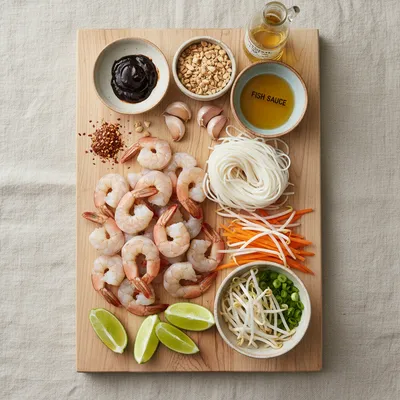
- Rice noodles: Soak in warm water until tender; they absorb the sauce beautifully.
- Large shrimp: Choose peeled, deveined shrimp; pat dry to ensure a quick sear.
- Tamarind paste: Adds the signature tang; a little goes a long way.
- Fish sauce: Provides depth and salty umami; use sparingly if you’re sensitive to salt.
- Lime juice: Freshly squeezed lime brightens the dish just before serving.
- Palm sugar: Balances the sourness with gentle sweetness; substitute brown sugar if needed.
Complete Cooking Process
-
Ingredient Readiness:
Soak noodles, mince garlic and shallots, zest lime, and have all sauces measured.
-
Flavor Development:
Sear shrimp, then create a fragrant base with garlic, shallots, and tamarind sauce.
-
Texture Control:
Add noodles last, toss quickly to coat without over‑cooking; keep vegetables crisp.
-
Finishing Touches:
Stir in peanuts, bean sprouts, and a squeeze of lime for brightness.
-
Serving Timing:
Serve immediately while the noodles are warm and the aromatics are vivid.
-
Use a well‑seasoned wok for a slightly smoky edge
-
Add a splash of bean water to keep noodles from sticking
-
Taste the sauce before the final toss; adjust sweet or sour as needed
-
Garnish with fresh cilantro for an herbaceous lift
Pro Tips
Well, these little tweaks can turn a quick dinner into something that feels intentional. I remember letting the sauce sit a minute longer once, and the flavors just deepened—yeah, that tiny pause makes a world of difference.
The essence of the dish:
It’s all about balance—sweet tamarind, salty fish sauce, bright lime, and a hint of heat. The shrimp stir brings a buttery richness that pairs with the chewy noodles.
A fun fact or historical angle:
During the 1930s, Pad Thai was promoted as a national dish to foster unity; the humble ingredients made it accessible for everyone.
Flavor or sensory focus:
You’ll notice the gentle snap of bean sprouts, the nutty crunch of peanuts, and a lingering citrus perfume that lingers after the last bite.
You Must Know
-
Use fresh tamarind for authentic tang
-
Don’t over‑cook the shrimp; 2‑3 minutes is enough
-
Adjust spice with a pinch of chili flakes
A tasty pairing:
The grilled bowl of citrus‑marinated shrimp makes a lovely side, echoing the main’s bright notes.
Frequently Asked Questions
→ Can I use wheat noodles instead of rice noodles?
Yes, but the texture will change and the dish will no longer be gluten‑free. Adjust cooking time accordingly.
→ How do I make this recipe vegetarian?
Swap the shrimp for firm tofu or tempeh, and use soy sauce or tamari in place of fish sauce.
→ What if I don’t have tamarind paste?
A mix of lime juice and a touch of brown sugar can mimic the sweet‑sour flavor.
→ How spicy should I make it?
Add a pinch of chili flakes or a drizzle of sriracha; taste as you go.
→ Can I prepare the sauce ahead of time?
Absolutely—store it in a sealed jar in the fridge for up to 3 days.
→ What side dishes go well with Pad Thai?
A simple cucumber salad or fresh spring rolls keep the meal light and balanced.
Nutrition Facts
per serving
520
Calories
28g
Protein
58g
Carbs
18g
Fat
Taste Profile
Bright, tangy, and balanced with a hint of heat
Ingredient Substitutions
Don't have an ingredient? Try these alternatives
Press tofu first and adjust cooking time slightly.
Soy sauce adds a different depth; consider low‑sodium version.
Recipe Variations
Try these delicious twists on the original
Spicy Version
Add extra chili flakes or a dash of sriracha for a kick.
Gluten‑Free Style
Use rice noodles and ensure fish sauce is gluten‑free.
Common Mistakes to Avoid
Learn from others' mistakes for perfect results
- Overcooking the shrimp, which makes them rubbery
- Letting the noodles sit too long after adding sauce, causing them to become soggy
- Using too much tamarind, resulting in excessive sourness
Meal Prep & Storage
Make Ahead Tips
Prepare the sauce and store in the fridge; the noodles can be soaked ahead of time.
Leftover Ideas
Reheat gently in a skillet with a splash of water to revive the noodles’ softness.
Perfect Pairings
Serve this with...
Cooking Timeline
Soak noodles, mince aromatics, and whisk sauce ingredients.
Sear shrimp until pink, then set aside.
Sauté garlic and shallot, then add sauce and bring to a gentle simmer.
Add noodles, toss to coat, then re‑introduce shrimp and bean sprouts.
Finish with lime juice, peanuts, and green onions; serve immediately.
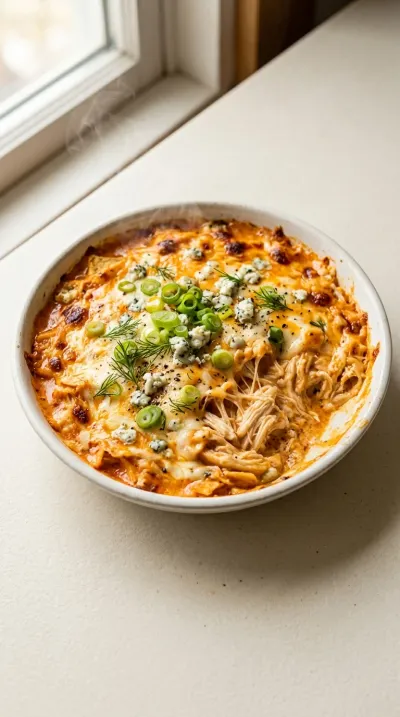
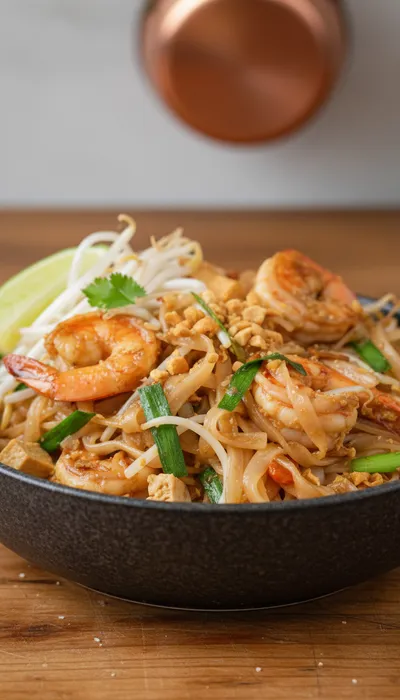
Easy Shrimp Pad Thai in 30 Minutes
A bright, tangy noodle dish that comes together in a flash. The creamy shrimp aroma mingles with lime and peanuts, making it perfect for a quick dinner that feels special.
Timing
Prep Time
15 Minutes
Cook Time
25 Minutes
Total Time
40 Minutes
Recipe Details
Ingredients
Main Ingredients
-
01
8 oz rice noodles
-
02
1 lb large shrimp, peeled and deveined
-
03
2 tbsp vegetable oil
-
04
3 garlic cloves, minced
-
05
1 shallot, thinly sliced
-
06
2 cups bean sprouts
-
07
1/4 cup roasted peanuts, chopped
-
08
2 green onions, sliced
-
09
1 lime, cut into wedges
Sauce
-
01
3 tbsp tamarind paste
-
02
2 tbsp fish sauce
-
03
1 tbsp palm sugar
-
04
1 tsp chili flakes (optional)
-
05
2 tbsp water
Instructions
Soak the rice noodles in warm water for about 10 minutes, then drain and set aside.
In a wok over medium‑high heat, add oil and quickly sear the shrimp until pink, about 2‑3 minutes. Remove and set aside.
Add garlic and shallot to the same wok; sauté until fragrant, about 30 seconds.
Stir in the sauce ingredients, letting them melt together; then add the noodles and toss to coat evenly.
Return the shrimp, add bean sprouts and half the peanuts, give everything a quick toss, then finish with lime juice and garnish with the remaining peanuts, green onions, and a wedge of lime.
Notes & Tips
-
1
If the noodles stick, add a splash of the soaking water.
-
2
Taste the sauce before the final toss; you might want a tad more sweetness or acidity.
-
3
For a lo mein twist, substitute wheat noodles and add sliced bell pepper.
 Quick & Easy Everyday Recipes
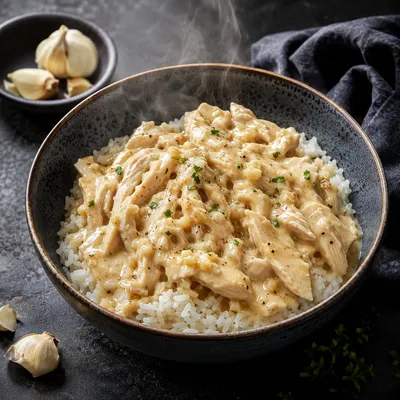
Creamy Garlic Chicken Rice Bowls
Tender chicken, garlicky cream sauce, and soft rice make a quick, comforting bowl.
Tools You'll Need
-
Wok or large skillet
-
Wooden spatula
-
Measuring spoons
-
Bowls for sauce
-
Tongs
Must-Know Tips
-
Don't over‑cook the shrimp; they turn rubbery quickly.
-
Keep the wok hot to achieve a slight char on the noodles.
-
Taste and adjust seasoning before serving.
Professional Secrets
-
Use a hot wok to create a light sear that locks in shrimp juices.
-
Add a splash of bean water to keep noodles glossy.
-
Finish with fresh lime for a bright, aromatic lift.

Recipe by
Alexa CarterFast food, but smarter 🔥🍽️ Bold flavors, simple steps, and meals that always hit the spot 😎
Get Delicious Recipes Weekly
Join 25,000+ home cooks getting our best recipes straight to their inbox.
Free forever • No spam • Unsubscribe anytime